Essential Steps for Planning Medical Travel with surgery planet
Introduction Medical tourism represents the growing trend of patients traveling across international borders to receive specialized medical treatments. For many, […]
Introduction Medical tourism represents the growing trend of patients traveling across international borders to receive specialized medical treatments. For many, […]
Introduction In our interconnected modern era, quality healthcare is no longer bound by national borders. For many individuals grappling with […]
Introduction Embarking on a journey to enhance your appearance is a deeply personal decision, and finding the right medical partner […]
Introduction Embarking on a journey to enhance your appearance is a significant life decision that requires careful research and planning. […]
Introduction Let’s be honest: planning an Indian adventure often feels like trying to map a labyrinth while blindfolded. You have […]
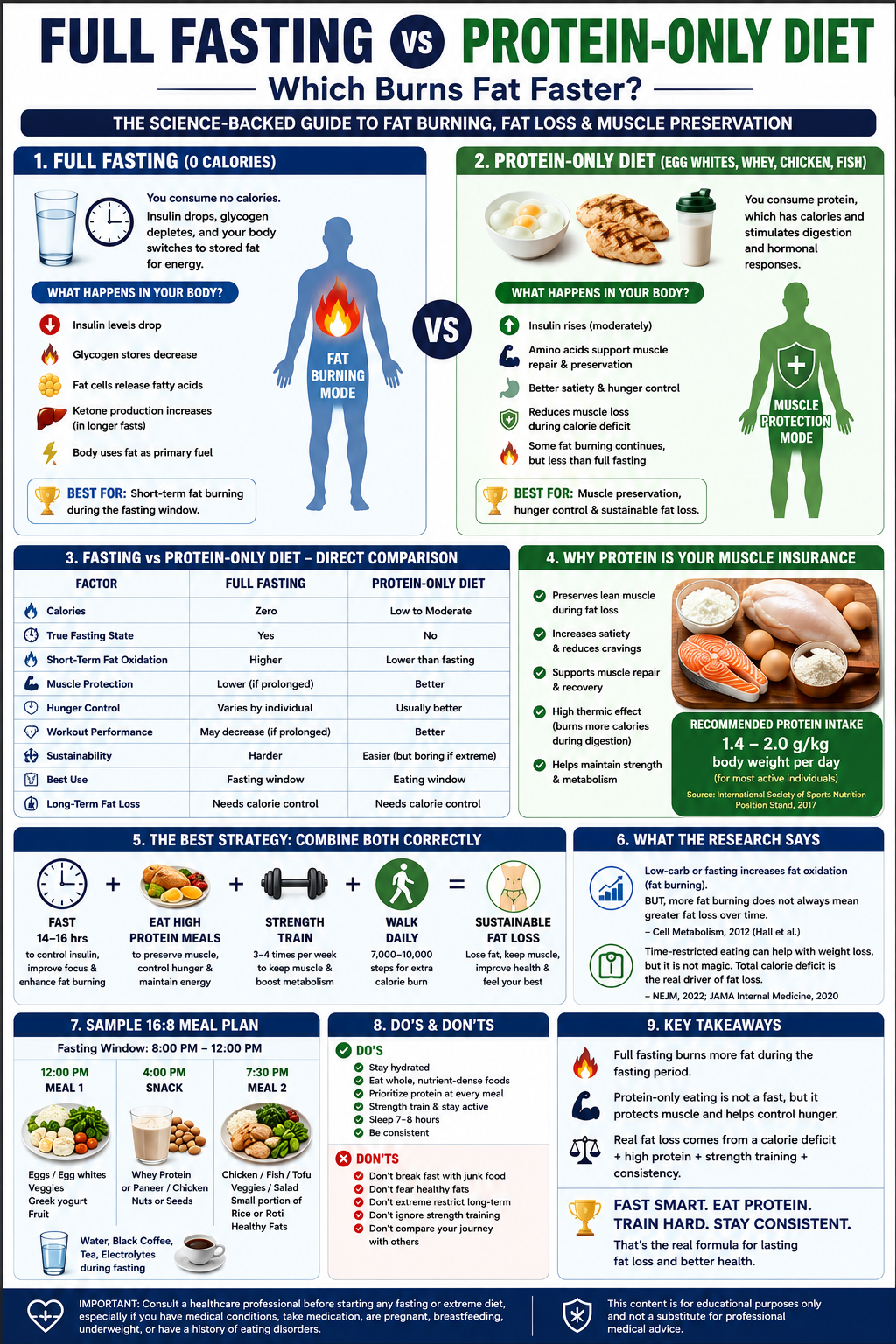
The Complete Science-Backed Guide to Fat Burning, Fat Loss, Protein, Fasting, Muscle Preservation, and Sustainable Weight Loss Introduction: The Question […]
Recovery from hernia surgery depends on the type of procedure, your overall health, and how closely you follow post-operative instructions. […]
Autotransfusion cell saver system is a hospital-based blood management medical device designed to collect blood lost during (and sometimes after) surgery, process it, and return the patient’s own red blood cells (RBCs) when clinically appropriate and permitted by facility policy. It sits at the intersection of operating room efficiency, transfusion stewardship, and safety-critical workflow—because it involves real-time handling of human blood under time pressure.
Extracorporeal membrane oxygenation ECMO system is a high-acuity life-support medical device designed to temporarily support gas exchange (oxygenation and carbon dioxide removal) and, in some configurations, circulatory support by pumping blood through an external circuit and membrane oxygenator.
Retinoscope is a handheld ophthalmic medical device used to perform **objective refraction**—an estimate of refractive error based on how light reflects from the patient’s retina. Unlike subjective refraction (which depends on patient responses), Retinoscope supports assessments when communication is limited, time is constrained, or a quick cross-check is needed.
Prism bar set is a simple but highly practical clinical device used in eye care to quantify ocular misalignment and related binocular vision findings. In everyday terms, it is a set of prism “bars” with graduated prism strengths that clinicians hold in front of the patient’s eye(s) during standardized tests (commonly cover-test–based methods) to estimate the magnitude and direction of a deviation.
Occluder paddle is a simple but essential piece of ophthalmic medical equipment used to temporarily block (occlude) one eye during vision assessment and binocular vision testing. You will see it in outpatient eye clinics, emergency settings, inpatient consult workflows, pediatric screening programs, and preoperative or postoperative assessments where clinicians need quick, repeatable, low-risk occlusion without applying anything directly to the eye.
A Stereoacuity test kit is a clinical device used to assess **stereopsis**—the visual system’s ability to perceive depth from binocular (two-eye) vision. In practical terms, it helps teams understand how well a patient can detect small differences in depth when each eye receives a slightly different image.
Color vision test plates are printed (or sometimes laminated) plate sets—often bound as a book—used to screen for color vision deficiencies by asking a person to identify numbers, symbols, or paths embedded in colored dot patterns. They are common in eye clinics, occupational health, pre-employment screening, and broader hospital workflows where rapid, low-cost visual function screening is needed.
Portable vision screener is a handheld or compact clinical device designed to **quickly screen** patients for vision problems and risk indicators that may warrant a more complete eye examination. In busy hospitals and clinics, it helps teams identify patients who may need referral, prioritize care pathways, and document screening results in a consistent way—often in seconds.
Handheld slit lamp is a portable ophthalmic medical device used to examine the front structures of the eye (often called the anterior segment) using a focused “slit” of light and magnified viewing. It brings slit-lamp-style biomicroscopy to the bedside, emergency department, outreach clinics, and other settings where a full tabletop slit lamp is impractical or unavailable.
Non mydriatic fundus camera is a retinal imaging medical device designed to capture photographs of the inside of the eye (the “fundus”)—including the retina, optic disc, macula, and retinal vessels—without routinely using pupil-dilating drops. In many models, the operator aligns the eye using low-intensity illumination and then captures an image with a brief flash.
*This guide is written for clinical users, administrators, procurement teams, and biomedical/operations leaders who need a practical overview of handheld pachymetry—what it does, how it is used safely, and how to think about real-world deployment and support.*
Auto lensometer is a clinical device used to measure key optical parameters of spectacle lenses—typically sphere, cylinder, axis, prism, and near addition—so teams can verify and document eyewear accurately and consistently. In hospital eye departments, outpatient clinics, and optical services, it supports safer workflows by helping staff confirm what a patient is wearing (or what has been dispensed) before results are recorded, glasses are remade, or care pathways proceed.
A Kinesiology tape dispenser is a simple but operationally important piece of hospital equipment used to store, dispense, measure, and cut rolls of kinesiology (elastic therapeutic) tape in a controlled and repeatable way. While it is usually a low-complexity clinical device, it can strongly influence workflow efficiency, tape waste, staff safety (cutting blades), and basic infection-control practices in therapy and outpatient settings.